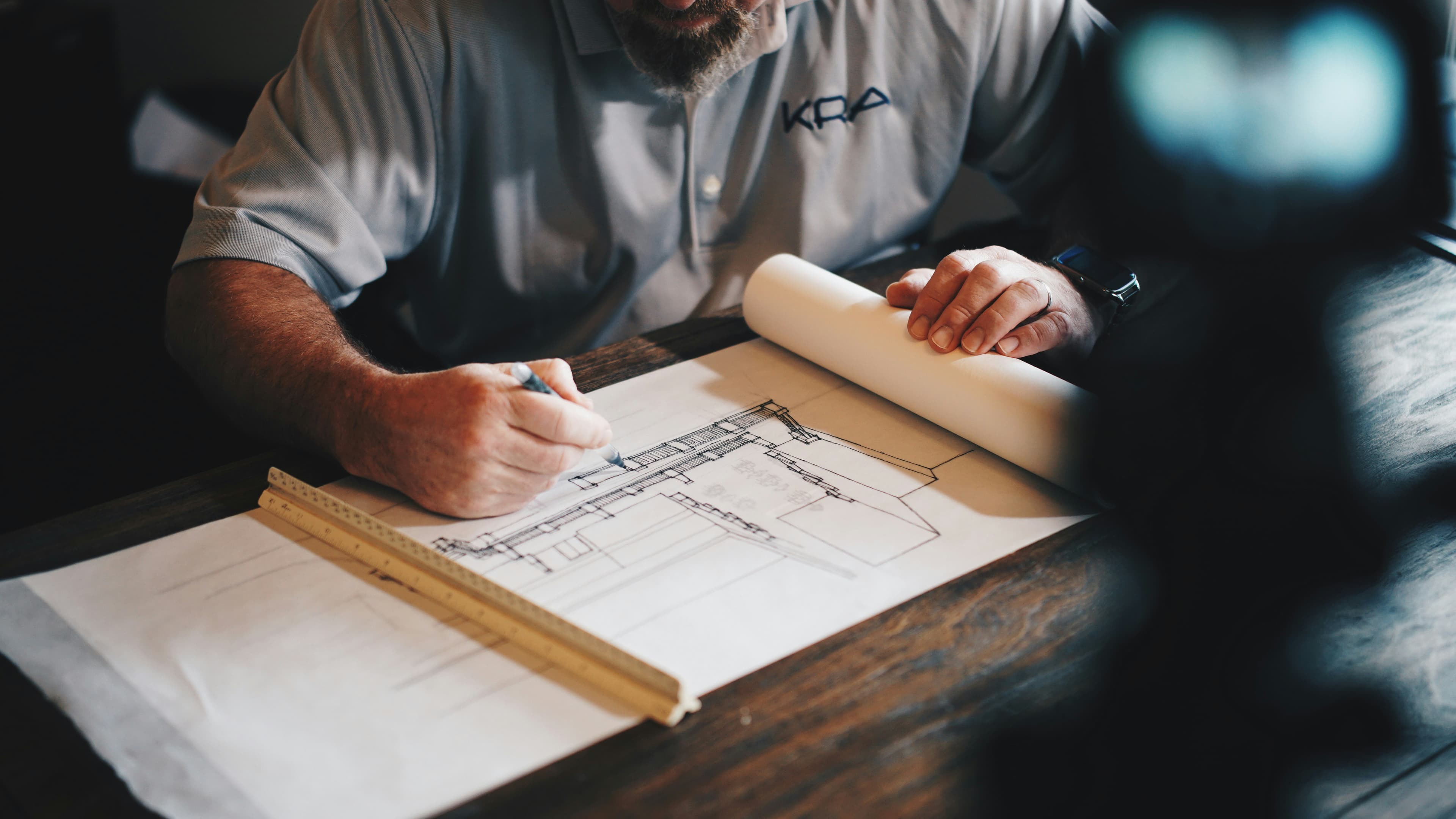
Closeout is where documentation goes to die. Subs have moved on. Contact information is stale. O&M manuals are incomplete or scattered. As-builts don't match the built condition. The owner holds final payment until everything's in. Industry sources note that the final 3% of projects can consume 15% of total project effort—and that contractors often delay O&M manual assembly until practical completion, making closeout a costly afterthought when execution pressure is highest.
The fix isn't working harder at the end. It's collecting documentation as the job progresses.
What Goes Wrong
General contractors struggle to: create a project-wide view of required vs. collected information, route the right information to the right reviewers, identify exactly what's missing, and produce manuals that meet contract and compliance obligations. Contributing factors include missed closeout deadlines, incomplete handover documentation, lost contact with subs who finished work years earlier, and delayed final payment. In severe cases, the result is disputes, claims, and reputational damage.
The root cause is timing. When O&M requirements aren't clarified in the contract and collection isn't planned from day one, closeout becomes a scramble.
Where This Shows Up on a Real Project
You're 30 days from beneficial occupancy. The spec requires O&M manuals for 40 systems. You have 12. The HVAC sub finished six months ago and isn't returning calls. The electrical sub's manual is in a different format than the spec requires. You're rebuilding documents from emails and old submittals. A process that required O&M draft submissions at equipment acceptance—and tracked status in a closeout log from project start—would have prevented this.
Start Here This Week
- Extract closeout requirements from the contract and spec before construction starts. Build a closeout log: System/Item | Required Doc | Responsible Party | Due Date | Status.
- Tie O&M submission to milestones: e.g., "Submit draft O&M within 30 days of equipment acceptance." Don't wait for substantial completion.
- Assign closeout ownership to a PM or admin. Review the log in every project meeting.
- Use a shared folder structure (SharePoint, Procore, etc.) so subs know where to upload. Send reminders at defined intervals.
- For subs who go quiet, build contractual teeth: retainage release tied to closeout docs, or pre-negotiate a documentation fee.
Risks and Guardrails
- Format creep: Specs often require a specific O&M format. Communicate it at submittal and buyout so subs don't deliver something unusable.
- Premature collection: Don't request O&M before equipment is installed and accepted—but don't wait until the sub demobilizes either.
- Owner changes: Some owners add closeout requirements mid-project. Document any changes and adjust the log.
- Automation: Tools can track status and send reminders. They can't force subs to respond. Combine automation with clear contractual obligations and relationship management.